

Understanding Dust Filter Bags: Essential Components for Effective Air Filtration
Release Time:
Jun 27,2026
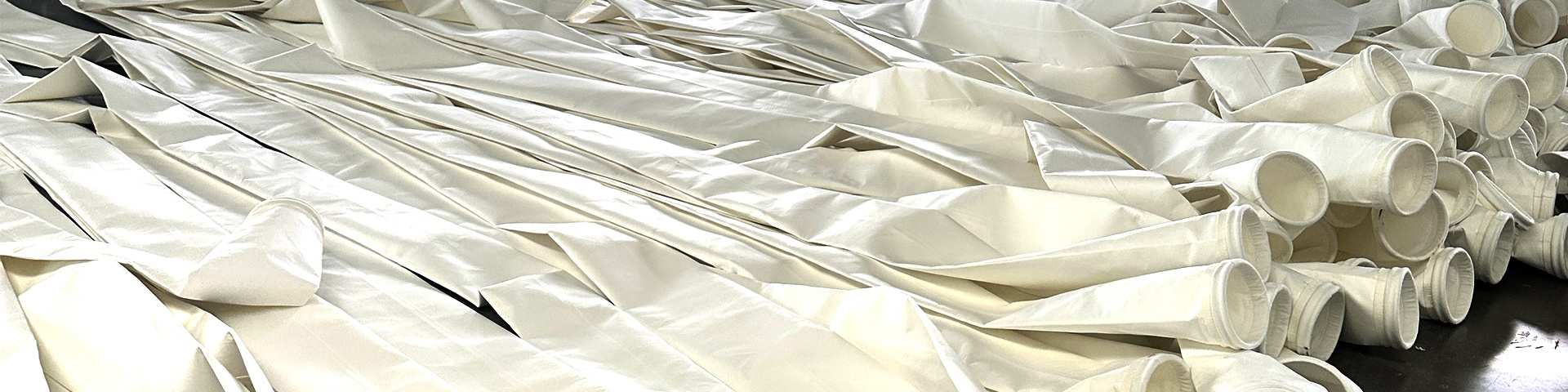
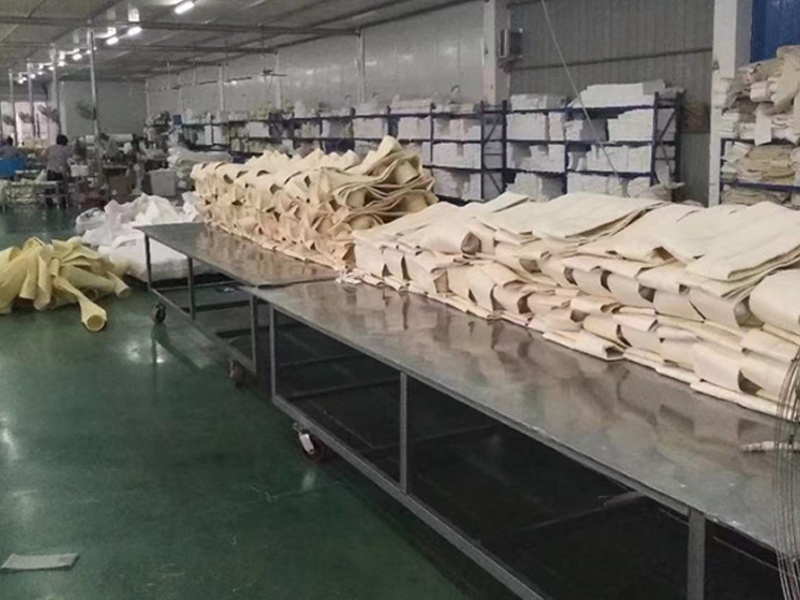
Dust filter bags play a vital role in the operation of dust collection systems. These bags are designed to capture and retain airborne particles, preventing them from entering the atmosphere and ensuring a cleaner, safer environment. They are widely used in various industries, including manufacturing, woodworking, and food processing, where dust and particulate matter can pose serious health risks

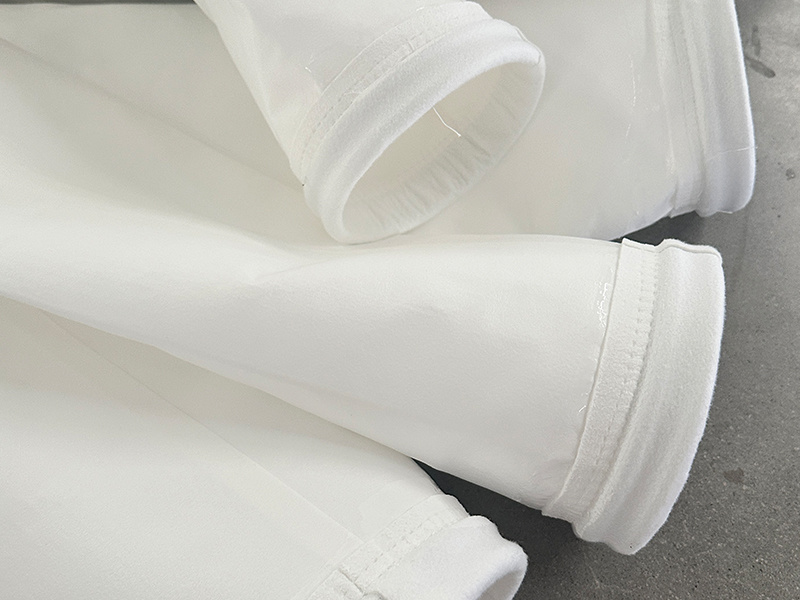
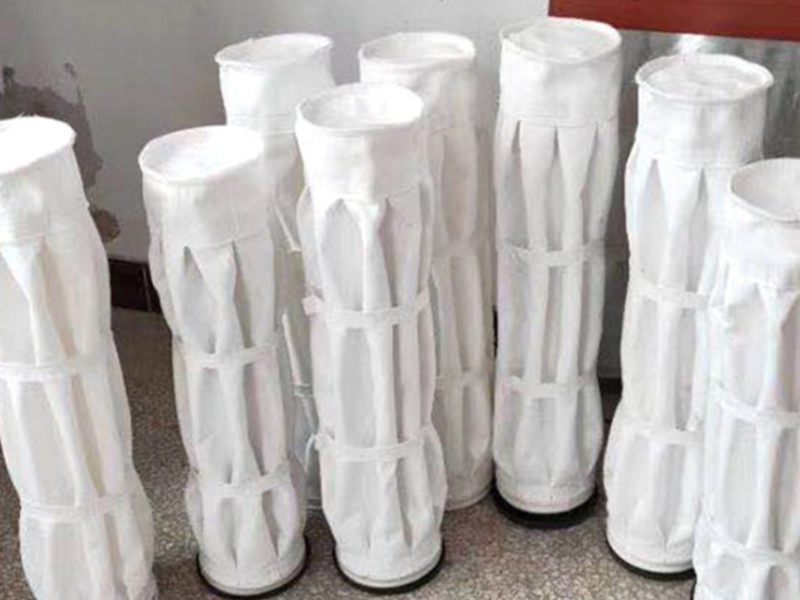
Dust filter bags play a vital role in the operation of dust collection systems. These bags are designed to capture and retain airborne particles, preventing them from entering the atmosphere and ensuring a cleaner, safer environment. They are widely used in various industries, including manufacturing, woodworking, and food processing, where dust and particulate matter can pose serious health risks and operational challenges.
The primary function of a dust filter bag is to filter out dust and particulate matter from the air stream. When air containing dust passes through the bag, the particles are trapped in the fabric while clean air is released. This process not only helps in maintaining air quality but also protects machinery and equipment from dust accumulation, which can lead to malfunctions and costly downtime.
There are several types of dust filter bags available, each designed for specific applications. Common materials include polyester, polypropylene, and fiberglass, with varying degrees of filtration efficiency. For instance, polyester bags are often chosen for their durability and moisture resistance, making them suitable for a wide range of industrial applications. Conversely, fiberglass bags offer superior heat resistance, making them ideal for environments with high temperatures.
Selecting the right dust filter bag depends on several factors, including the type of dust produced, the temperature and humidity of the environment, and the filtration efficiency required. It's essential to consult with experts or conduct thorough research to determine the most appropriate filter bag for your specific needs.
Maintenance of dust filter bags is crucial for ensuring their longevity and performance. Regular inspection and cleaning are necessary to prevent clogging and maintain optimal airflow. Some systems employ pulse jet cleaning mechanisms that periodically release bursts of compressed air to dislodge collected dust, extending the life of the bags and maintaining system efficiency.
In addition to maintenance, it's important to consider the replacement schedule for dust filter bags. Over time, even the best quality bags will degrade due to wear and exposure to harsh conditions. Monitoring the performance and conducting periodic assessments of the filtration system can help identify when a replacement is necessary.
In conclusion, dust filter bags are indispensable for effective dust management in industrial environments. Understanding their types, functions, and maintenance requirements is essential for achieving optimal air quality and operational efficiency. By prioritizing the selection and care of dust filter bags, businesses can ensure a healthier workplace and better overall performance of their air filtration systems.
The primary function of a dust filter bag is to filter out dust and particulate matter from the air stream. When air containing dust passes through the bag, the particles are trapped in the fabric while clean air is released. This process not only helps in maintaining air quality but also protects machinery and equipment from dust accumulation, which can lead to malfunctions and costly downtime.
There are several types of dust filter bags available, each designed for specific applications. Common materials include polyester, polypropylene, and fiberglass, with varying degrees of filtration efficiency. For instance, polyester bags are often chosen for their durability and moisture resistance, making them suitable for a wide range of industrial applications. Conversely, fiberglass bags offer superior heat resistance, making them ideal for environments with high temperatures.
Selecting the right dust filter bag depends on several factors, including the type of dust produced, the temperature and humidity of the environment, and the filtration efficiency required. It's essential to consult with experts or conduct thorough research to determine the most appropriate filter bag for your specific needs.
Maintenance of dust filter bags is crucial for ensuring their longevity and performance. Regular inspection and cleaning are necessary to prevent clogging and maintain optimal airflow. Some systems employ pulse jet cleaning mechanisms that periodically release bursts of compressed air to dislodge collected dust, extending the life of the bags and maintaining system efficiency.
In addition to maintenance, it's important to consider the replacement schedule for dust filter bags. Over time, even the best quality bags will degrade due to wear and exposure to harsh conditions. Monitoring the performance and conducting periodic assessments of the filtration system can help identify when a replacement is necessary.
In conclusion, dust filter bags are indispensable for effective dust management in industrial environments. Understanding their types, functions, and maintenance requirements is essential for achieving optimal air quality and operational efficiency. By prioritizing the selection and care of dust filter bags, businesses can ensure a healthier workplace and better overall performance of their air filtration systems.
Keywords:
More information


Jin Di
Tel:
Sales E-mail: