

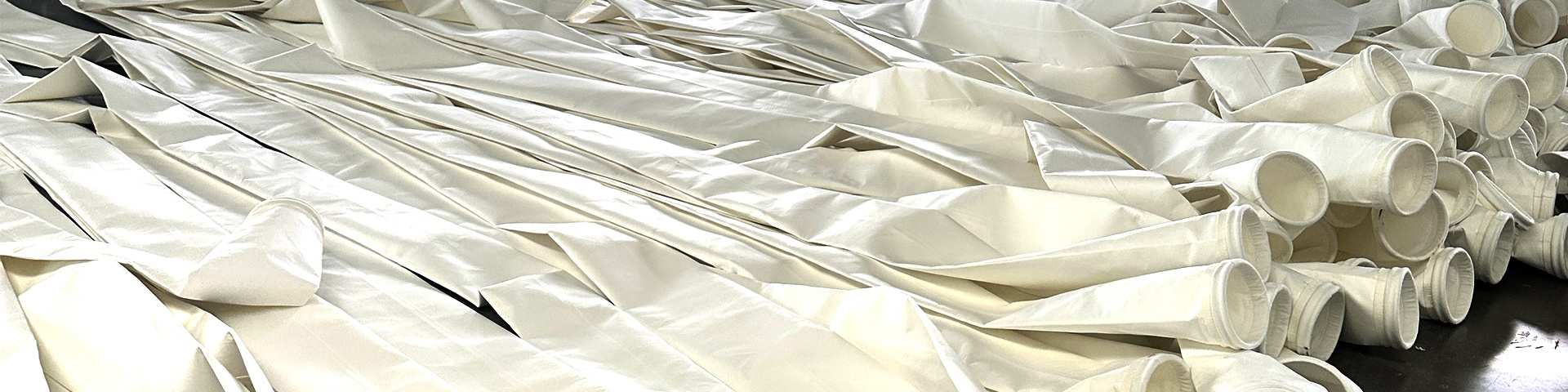
Exploring the Latest Innovations in Dust Bag Technology: A Comprehensive Guide for Industry Professionals
Release Time:
Jun 20,2026
Exploring the Latest Innovations in Dust Bag Technology Table of Contents 1. Introduction to Dust Bag Technology 2. Importance of Effective Dust Filtration Systems 3. Latest Innovations in Dust Bag Technology 3.1 Advanced Materials Used in Dust Bags 3.2 Innovative Designs and Configurations 3.3 Enhanced Filtration Efficiency

Exploring the Latest Innovations in Dust Bag Technology
Table of Contents
- 1. Introduction to Dust Bag Technology
- 2. Importance of Effective Dust Filtration Systems
- 3. Latest Innovations in Dust Bag Technology
- 3.1 Advanced Materials Used in Dust Bags
- 3.2 Innovative Designs and Configurations
- 3.3 Enhanced Filtration Efficiency
- 4. Applications of Modern Dust Bags
- 5. Benefits of Upgrading to New Dust Bag Technology
- 6. Challenges in Dust Bag Technology Implementation
- 7. The Future of Dust Bag Technology
- 8. Frequently Asked Questions
- 9. Conclusion
1. Introduction to Dust Bag Technology
Dust bag technology has undergone significant advancements over the years, driven by the need for improved air quality and operational efficiency in industrial settings. **Dust bags** serve as a crucial component in filtration systems, capturing particulate matter and ensuring that emissions comply with environmental regulations. This article explores the latest innovations shaping dust bag technology, providing insights into their impact on various industries.
2. Importance of Effective Dust Filtration Systems
In industries ranging from manufacturing to pharmaceuticals, effective dust filtration is essential. The importance of effective dust filtration systems cannot be overstated. These systems play a vital role in:
- **Protecting Health**: Reducing airborne dust helps in maintaining a healthy workplace environment, minimizing respiratory issues among workers.
- **Enhancing Equipment Longevity**: Effective dust removal reduces wear and tear on machinery, extending the life of industrial equipment.
- **Compliance with Regulations**: Many industries are required to adhere to strict environmental standards, making efficient filtration systems a necessity for compliance.
3. Latest Innovations in Dust Bag Technology
The dust bag technology landscape is evolving rapidly, with several innovative developments that improve performance, efficiency, and sustainability.
3.1 Advanced Materials Used in Dust Bags
Recent advancements in materials science have led to the creation of dust bags made from high-performance fabrics. These materials offer increased durability and filtration capabilities. Key innovations include:
- **Nanofiber Technology**: Nanofibers are remarkably fine and increase the surface area of the dust bag, enhancing filtration efficiency while maintaining low resistance to airflow.
- **Hydrophobic Coatings**: These coatings prevent moisture accumulation, reducing the likelihood of clogs and maintaining consistent airflow.
- **Biodegradable Options**: With sustainability in mind, manufacturers are developing biodegradable dust bags that reduce environmental impact without compromising performance.
3.2 Innovative Designs and Configurations
The design of dust bags has also evolved significantly. Manufacturers are experimenting with different shapes, sizes, and configurations to optimize performance. Important design innovations include:
- **Pulse Jet Technology**: This design allows for periodic bursts of air to clean the dust bag, maintaining lower pressure drop and enhancing the overall lifespan of the filtration system.
- **Modular Designs**: Modular dust bags can be easily replaced or reconfigured, allowing for customized solutions based on specific operational needs.
- **High Capacity Options**: Larger dust bags capable of holding more particulate matter reduce the frequency of replacements, leading to cost savings and increased efficiency.
3.3 Enhanced Filtration Efficiency
The latest dust bag technologies are designed to achieve higher levels of filtration efficiency. Innovations such as:
- **Electrostatic Filtration**: This technique utilizes an electrical charge to attract and capture more dust particles, significantly improving the overall performance of dust bags.
- **Multi-Layer Filtration**: Combining different materials in a multi-layer setup enhances the filtration capabilities while still allowing for optimal airflow.
4. Applications of Modern Dust Bags
Modern dust bag technologies are applicable across various industries. Some prominent applications include:
- **Manufacturing**: In manufacturing settings, dust bags are essential for controlling airborne contaminants produced during machining and assembling.
- **Food Processing**: The food industry requires stringent hygiene standards, making advanced dust filtration critical for maintaining product quality.
- **Pharmaceuticals**: In pharmaceutical manufacturing, even the smallest dust particles can compromise product integrity, making effective filtration systems indispensable.
- **Construction**: Construction sites generate significant dust, necessitating robust filtration systems to protect worker health and comply with environmental regulations.
5. Benefits of Upgrading to New Dust Bag Technology
Investing in the latest dust bag technology offers numerous benefits, including:
- **Improved Air Quality**: Enhanced filtration leads to cleaner air and a healthier work environment.
- **Cost Savings**: Advanced dust bags may have a higher upfront cost but often result in reduced maintenance and longer replacement intervals, leading to overall cost savings.
- **Regulatory Compliance**: Upgrading to modern filtration technology helps ensure compliance with environmental regulations, mitigating the risk of fines and penalties.
6. Challenges in Dust Bag Technology Implementation
Despite the many benefits, implementing new dust bag technologies can pose challenges:
- **Initial Investment**: The cost of advanced dust bag systems can be a barrier for some companies, particularly small businesses.
- **Training Needs**: Employees may require training to properly operate and maintain new filtration systems.
- **Integration with Existing Systems**: New dust bag technologies may need to be customized to fit existing equipment, requiring additional engineering resources.
7. The Future of Dust Bag Technology
Looking ahead, the future of dust bag technology is promising. Trends we may see include:
- **Smart Filtration Systems**: The integration of IoT technology could lead to smart dust bags that provide real-time data on performance and maintenance needs.
- **Increased Focus on Sustainability**: As industries become more environmentally conscious, the demand for biodegradable and recyclable dust bags is likely to rise.
- **Enhanced Customization**: Future advancements may allow for more tailored filtration solutions based on specific operational requirements, improving efficiency.
8. Frequently Asked Questions
1. What materials are used in modern dust bags?
Modern dust bags are often made from advanced materials such as nanofibers, hydrophobic fabrics, and biodegradable substances, enhancing their durability and filtering capabilities.
2. How do I know when to replace a dust bag?
Monitoring airflow and performance is critical. If you notice decreased suction or increased pressure drop, it may be time to replace the dust bag.
3. Are there environmentally friendly dust bag options available?
Yes, many manufacturers are now producing biodegradable dust bags that minimize environmental impact without sacrificing filtration efficiency.
4. What industries benefit most from advanced dust bag technology?
Industries such as manufacturing, food processing, pharmaceuticals, and construction greatly benefit from enhanced dust bag technology due to their specific filtration needs.
5. How does pulse jet technology improve dust bag performance?
Pulse jet technology provides periodic bursts of air to clean the dust bag, reducing clogging and maintaining optimal airflow, ultimately extending the bag's life.
9. Conclusion
The advancements in dust bag technology represent a significant leap forward for industries concerned with air quality and operational efficiency. By adopting the latest innovations, businesses can improve their filtration systems, enhance equipment longevity, and maintain compliance with environmental regulations. As we continue to explore new materials, designs, and technologies, the future of dust bag technology looks bright, promising even more efficient and sustainable solutions for industry professionals.
Keywords:
More information



Jin Di
Tel:
Sales E-mail: