


How to Make Informed Decisions About Industrial Ventilation Dust Bags
Release Time:
Jun 06,2026
How to Make Informed Decisions About Industrial Ventilation Dust Bags In the realm of industrial equipment and components, the importance of effective dust management cannot be overstated. Choosing the right industrial ventilation dust bags is crucial for maintaining air quality, boosting operational efficiency, and adhering to industry regulations. In this guide, we will delve into the various as

How to Make Informed Decisions About Industrial Ventilation Dust Bags
In the realm of industrial equipment and components, the importance of effective dust management cannot be overstated. Choosing the right industrial ventilation dust bags is crucial for maintaining air quality, boosting operational efficiency, and adhering to industry regulations. In this guide, we will delve into the various aspects of dust bags, enabling you to make informed decisions tailored to your specific needs.
Table of Contents
- Understanding Industrial Dust Bags
- The Importance of Quality Dust Bags
- Types of Industrial Ventilation Dust Bags
- Key Factors to Consider When Choosing Dust Bags
- Cost-Effectiveness and Value
- Maintaining Your Dust Bag System
- Common Mistakes to Avoid When Choosing Dust Bags
- Frequently Asked Questions (FAQs)
Understanding Industrial Dust Bags
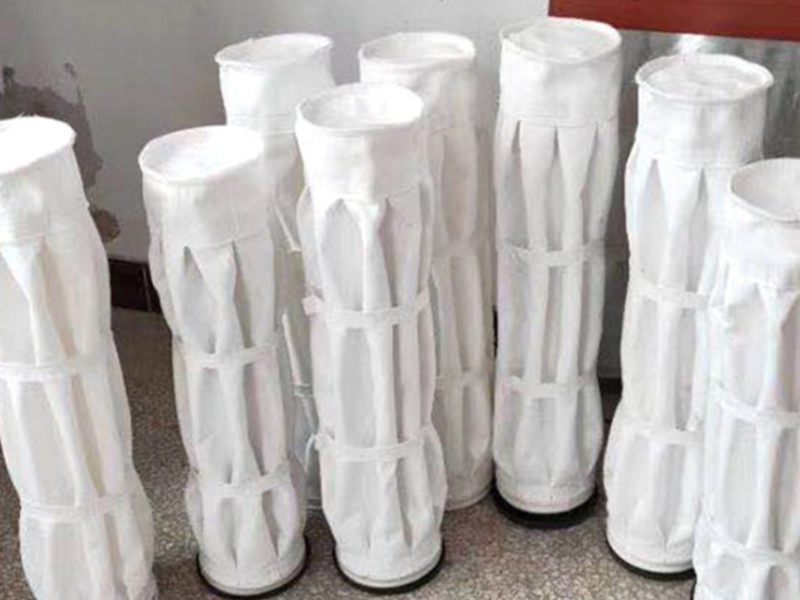
Industrial dust bags are critical components in ventilation systems, designed to capture and contain airborne particles generated during manufacturing, construction, and other industrial processes. These bags serve to protect both the equipment and the environment by preventing dust and particulate matter from contaminating air quality. Properly choosing and maintaining these dust bags is essential for efficient dust collection and compliance with health and safety regulations.
The Importance of Quality Dust Bags
Opting for high-quality dust bags can significantly impact operational efficiency. Quality dust bags offer enhanced filtration capabilities, which lead to cleaner air and reduced health risks for workers. Additionally, they can prolong the life of your ventilation system by minimizing wear and tear caused by dust accumulation. Therefore, investing in quality dust bags is not merely a cost but rather an investment in the longevity and safety of your industrial operations.
Types of Industrial Ventilation Dust Bags
Filter Materials
Dust bags are available in various filter materials, each offering distinct advantages. The most common materials include:
- Polyester: A widely used material known for its durability and resistance to abrasion. Polyester dust bags work well in moderate-temperature applications.
- PES (Polyethersulfone): Highly suitable for high-temperature applications, PES filter bags offer excellent filtration efficiency and durability.
- Fiberglass: Ideal for extreme conditions, fiberglass bags can handle high temperatures and aggressive chemicals, making them suitable for specialized industries.
- Cellulose: Generally used in low-temperature applications, cellulose filter bags are biodegradable but may not withstand high humidity.
Bag Designs and Structures
Dust bags come in various designs and structures, including:
- Flat Bags: Often used in baghouses, flat bags are designed for efficient dust collection.
- Round Bags: Common in various industrial applications, round bags can enhance airflow and reduce resistance.
- Cartridge Filters: These are compact and provide high filtration efficiency, making them ideal for limited spaces.
Key Factors to Consider When Choosing Dust Bags
Filtration Efficiency
Filtration efficiency is a critical factor when selecting dust bags. It is essential to choose bags with a high efficiency rating to capture fine particles effectively. Look for bags certified by industry standards such as ISO and ASHRAE, as they provide assurance of the bags' filtration capabilities.
Durability and Lifespan
Assessing the durability and lifespan of dust bags is vital to minimize replacement frequency and associated costs. High-quality materials contribute to longer-lasting bags. Additionally, consider the operating conditions such as temperature, humidity, and chemical exposure, which can affect bag lifespan.
Compatibility with Equipment
Ensure that the dust bags you select are compatible with your existing industrial equipment. Different systems may require specific types of bags, and using the wrong bag can lead to inefficiencies and equipment damage. Consult with manufacturers or suppliers for guidance on suitable options.
Cost-Effectiveness and Value
While it may be tempting to opt for the cheapest dust bags on the market, it is essential to consider long-term value over initial costs. High-quality dust bags may have a higher upfront price but can provide savings through enhanced efficiency, lower maintenance costs, and reduced frequency of replacements. Always evaluate the total cost of ownership when making decisions.
Maintaining Your Dust Bag System
Effective maintenance of your dust bag system can extend the lifespan of the bags and improve their performance. Regularly inspect bags for wear and tear, clean dust collection systems, and replace bags as needed. Implementing a preventive maintenance schedule can help catch issues early and reduce unexpected downtime.
Common Mistakes to Avoid When Choosing Dust Bags
When selecting industrial ventilation dust bags, avoid these common pitfalls:
- Overlooking Filtration Requirements: Always assess your specific filtration needs to avoid inadequate dust capture.
- Ignoring Material Compatibility: Ensure that dust bag materials can withstand your operational conditions.
- Focusing Solely on Cost: Prioritize quality and performance over initial cost to ensure long-term value.
Frequently Asked Questions (FAQs)
1. What is the lifespan of industrial ventilation dust bags?
The lifespan of dust bags varies depending on material, usage, and conditions, ranging from several months to several years.
2. How do I know if my dust bags need replacement?
Signs of wear, decreased airflow, or increased pressure drop are indicators that dust bags may need replacement.
3. Can I clean and reuse dust bags?
Some dust bags can be cleaned and reused, but it’s crucial to follow the manufacturer’s guidelines to ensure effectiveness.
4. What is the difference between a flat bag and a cartridge filter?
Flat bags are typically used in larger systems, while cartridge filters are compact, high-efficiency options for limited spaces.
5. How can I improve the performance of my dust collection system?
Regular maintenance, selecting the right dust bags, and ensuring proper system design and operation can greatly enhance performance.
Conclusion
Making informed decisions about industrial ventilation dust bags is essential for maintaining air quality, ensuring employee safety, and maximizing operational efficiency. By understanding the types, materials, and key factors involved in selecting dust bags, organizations can optimize their dust collection systems. Remember to prioritize quality and compatibility, and invest in the long-term performance of your dust management solutions. Armed with this knowledge, you now have the tools to make choices that will benefit both your operations and your workforce.
Keywords:
More information



Jin Di
Tel:
Sales E-mail: