

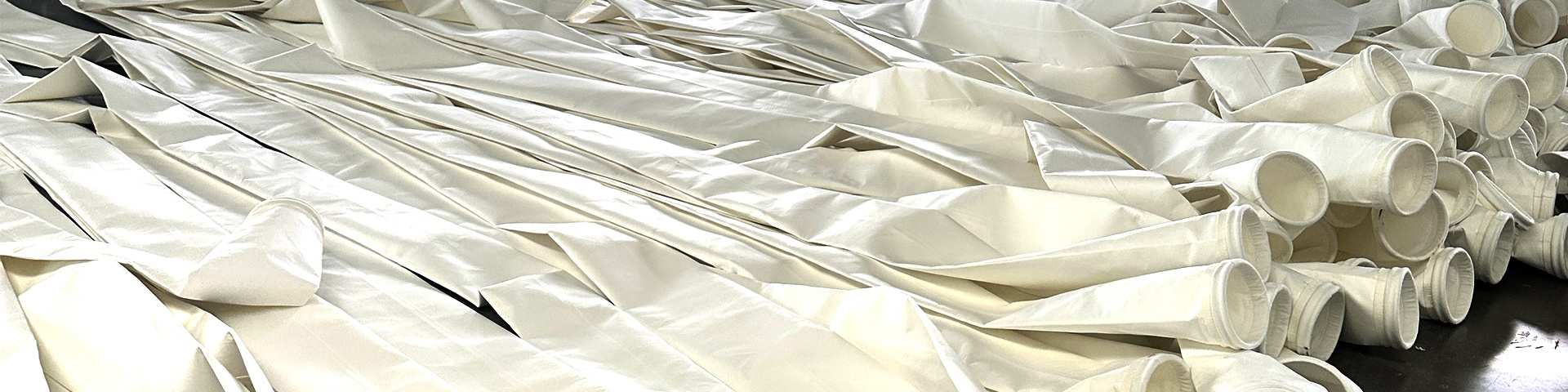
Understanding High-Temperature Resistant Filter Bags: Essential Solutions for Industrial Filtration
Release Time:
May 30,2026
High-temperature resistant filter bags are crucial components in various industrial filtration applications, particularly where extreme heat is a factor. These specialized filter bags are designed to withstand elevated temperatures, making them ideal for industries such as metal smelting, power generation, cement production, and waste incineration. The materials used in these filter bags are engin

High-temperature resistant filter bags are crucial components in various industrial filtration applications, particularly where extreme heat is a factor. These specialized filter bags are designed to withstand elevated temperatures, making them ideal for industries such as metal smelting, power generation, cement production, and waste incineration. The materials used in these filter bags are engineered to maintain structural integrity and filtration efficiency even under harsh thermal conditions.
One of the primary advantages of high-temperature resistant filter bags is their ability to extend service life. Traditional filter media may degrade rapidly when exposed to high temperatures, leading to increased maintenance costs and downtime. In contrast, high-temperature resistant options are engineered to endure prolonged exposure to heat without compromising performance. This durability not only reduces the frequency of replacements but also lowers operational costs over time.
In addition to heat resistance, many of these filter bags offer excellent chemical resistance, making them suitable for processes involving corrosive substances. Industries often face challenges when dealing with aggressive chemicals that can degrade standard filter materials. High-temperature resistant filter bags can be constructed from various advanced materials, such as PTFE, aramid, or fiberglass, each providing unique properties tailored to specific industrial needs.
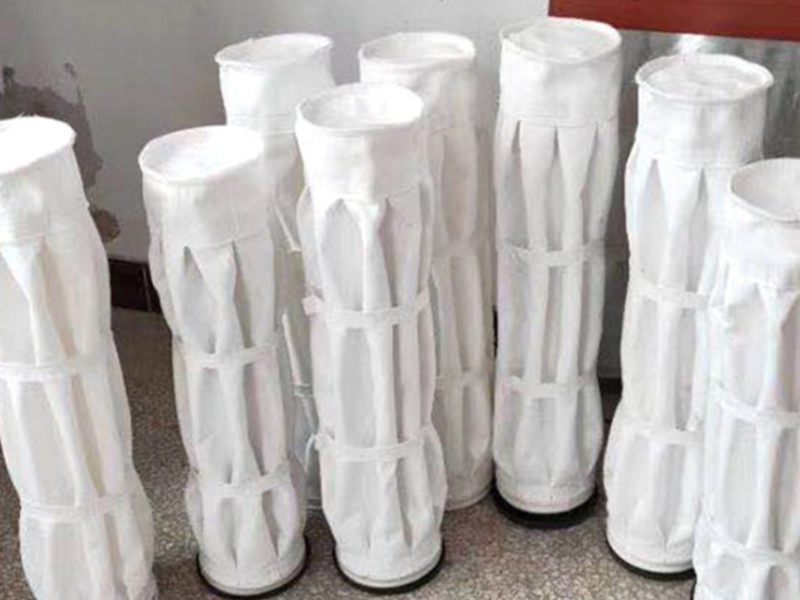
The design of high-temperature resistant filter bags also plays a vital role in their effectiveness. Features such as pleating, which increases the surface area for filtration, can enhance the overall performance. Additionally, these bags are often designed to facilitate easy installation and maintenance, ensuring that they can be efficiently replaced or cleaned, minimizing disruption to production processes.
Moreover, the implementation of high-temperature resistant filter bags can significantly improve air quality and reduce emissions in industrial settings. Effective filtration helps capture harmful particles and pollutants, ensuring compliance with environmental regulations and promoting workplace safety. By improving air quality, these filter bags also contribute to better health outcomes for workers.
In conclusion, high-temperature resistant filter bags are an essential element in modern industrial filtration systems. Their ability to withstand extreme conditions while maintaining filtration efficacy makes them a reliable choice for various applications. As industries continue to seek ways to enhance operational efficiency and environmental compliance, the role of these specialized filter bags will only become more significant. By investing in high-quality, high-temperature resistant filter bags, companies can ensure a cleaner, safer, and more efficient operation.
One of the primary advantages of high-temperature resistant filter bags is their ability to extend service life. Traditional filter media may degrade rapidly when exposed to high temperatures, leading to increased maintenance costs and downtime. In contrast, high-temperature resistant options are engineered to endure prolonged exposure to heat without compromising performance. This durability not only reduces the frequency of replacements but also lowers operational costs over time.
In addition to heat resistance, many of these filter bags offer excellent chemical resistance, making them suitable for processes involving corrosive substances. Industries often face challenges when dealing with aggressive chemicals that can degrade standard filter materials. High-temperature resistant filter bags can be constructed from various advanced materials, such as PTFE, aramid, or fiberglass, each providing unique properties tailored to specific industrial needs.
The design of high-temperature resistant filter bags also plays a vital role in their effectiveness. Features such as pleating, which increases the surface area for filtration, can enhance the overall performance. Additionally, these bags are often designed to facilitate easy installation and maintenance, ensuring that they can be efficiently replaced or cleaned, minimizing disruption to production processes.
Moreover, the implementation of high-temperature resistant filter bags can significantly improve air quality and reduce emissions in industrial settings. Effective filtration helps capture harmful particles and pollutants, ensuring compliance with environmental regulations and promoting workplace safety. By improving air quality, these filter bags also contribute to better health outcomes for workers.
In conclusion, high-temperature resistant filter bags are an essential element in modern industrial filtration systems. Their ability to withstand extreme conditions while maintaining filtration efficacy makes them a reliable choice for various applications. As industries continue to seek ways to enhance operational efficiency and environmental compliance, the role of these specialized filter bags will only become more significant. By investing in high-quality, high-temperature resistant filter bags, companies can ensure a cleaner, safer, and more efficient operation.
Keywords:
More information


Jin Di
Tel:
Sales E-mail: