

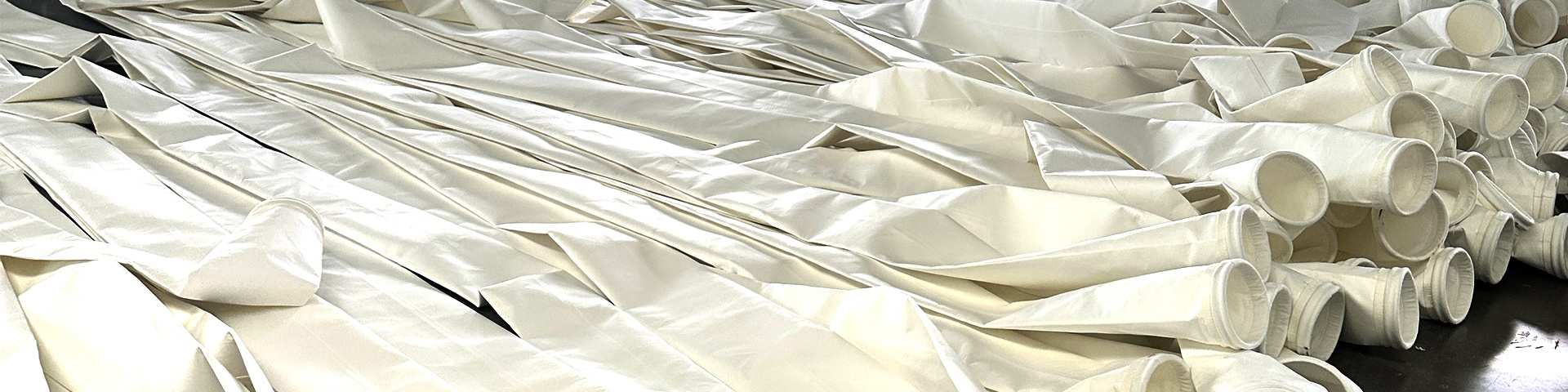
Troubleshooting Common Issues with High-Temperature Dust Filter Bags
Release Time:
May 23,2026
Troubleshooting Common Issues with High-Temperature Dust Filter Bags Table of Contents 1. Introduction to High-Temperature Dust Filter Bags 2. Understanding High-Temperature Applications 3. Common Issues Faced with High-Temperature Dust Filter Bags 3.1. Bag Clogging and Reduced Airflow 3.2. Bag Damage and Tear 3.3. Excessive Dust Emissions 3.4. Inadequate Dust Capture Efficiency 3.5. Short Bag Lif

Troubleshooting Common Issues with High-Temperature Dust Filter Bags
Table of Contents
1. Introduction to High-Temperature Dust Filter Bags
2. Understanding High-Temperature Applications
3. Common Issues Faced with High-Temperature Dust Filter Bags
3.1. Bag Clogging and Reduced Airflow
3.2. Bag Damage and Tear
3.3. Excessive Dust Emissions
3.4. Inadequate Dust Capture Efficiency
3.5. Short Bag Life Span
4. Troubleshooting Steps for Common Issues
4.1. Identifying the Source of Bag Clogging
4.2. Assessing Bag Material Quality
4.3. Monitoring System Performance
4.4. Checking for Maintenance and Operational Issues
4.5. Evaluating Temperature and Pressure Conditions
5. Maintenance Practices to Enhance Bag Longevity
6. Best Practices for Selecting High-Temperature Dust Filter Bags
7. FAQs about High-Temperature Dust Filter Bags
8. Conclusion: Ensuring Optimal Performance of Dust Filter Bags
1. Introduction to High-Temperature Dust Filter Bags
High-temperature dust filter bags are essential components in various industrial applications where effective dust control is a necessity. They are designed to withstand elevated temperatures while providing superior filtration performance. Understanding the common issues that can arise with these bags helps to maintain their efficiency and prolong their life.
2. Understanding High-Temperature Applications
Industries such as petrochemical, metal processing, and power generation often encounter high-temperature environments that require specialized filtration solutions. High-temperature dust filter bags are constructed from materials that can endure extreme conditions, ensuring that dust and particulate matter are effectively captured.
3. Common Issues Faced with High-Temperature Dust Filter Bags
Despite their robust design, high-temperature dust filter bags can encounter several issues that may affect their performance. Here, we explore some of the most common problems.
3.1. Bag Clogging and Reduced Airflow
One of the primary issues with dust filter bags is clogging, which can significantly reduce airflow and filtration efficiency. Clogging is often caused by the accumulation of fine particles that adhere to the filter media, leading to increased pressure drop and reduced operational efficiency.
3.2. Bag Damage and Tear
Damage to high-temperature dust filter bags can occur due to various factors, including improper installation, excessive dust loading, and high-velocity airflow. Tears in the bag can lead to increased dust emissions and a decrease in filtration performance.
3.3. Excessive Dust Emissions
Inadequate filtration can result in excessive dust emissions, which may violate environmental regulations and impact workplace safety. Identifying the causes of these emissions is crucial for maintaining compliance and ensuring a safe working environment.
3.4. Inadequate Dust Capture Efficiency
Sometimes, filter bags may not capture dust effectively, leading to higher levels of particulate matter in the air. Factors contributing to this issue include incorrect bag selection, improper system design, and environmental conditions.
3.5. Short Bag Life Span
The life span of high-temperature dust filter bags can be significantly influenced by operational conditions and maintenance practices. Frequent replacements not only incur additional costs but also result in production downtime.
4. Troubleshooting Steps for Common Issues
When encountering problems with high-temperature dust filter bags, it is essential to take a systematic approach to troubleshooting. Here are some steps to follow.
4.1. Identifying the Source of Bag Clogging
Begin by inspecting the filter bags for signs of clogging. A pressure gauge can help monitor the pressure drop across the baghouse. If pressure readings are elevated, it may indicate clogging or a need for cleaning.
4.2. Assessing Bag Material Quality
Evaluate the quality of the filter media. High-temperature applications require materials that can withstand thermal stress and resist degradation. If the bags are made of inferior materials, consider replacing them with higher-quality alternatives.
4.3. Monitoring System Performance
Regular monitoring of the entire dust collection system is vital. Check for leaks, changes in airflow patterns, and other anomalies that could affect the filter bags' performance. Use sensors and data loggers to maintain optimal operational conditions.
4.4. Checking for Maintenance and Operational Issues
Ensure that routine maintenance is carried out on the dust collection system. This includes cleaning, inspecting components, and replacing worn parts. Poor maintenance can lead to numerous issues, including bag failure.
4.5. Evaluating Temperature and Pressure Conditions
High temperatures and pressures can impact the performance and life span of dust filter bags. Ensure that operating conditions are within the manufacturer's specified limits to prevent premature failure.
5. Maintenance Practices to Enhance Bag Longevity
Implementing effective maintenance practices not only enhances the longevity of high-temperature dust filter bags but also ensures optimal performance. Here are some strategies to consider:
- **Regular Cleaning:** Implement a cleaning schedule that includes periodic bag shake-downs or pulse-jet cleaning, depending on the system.
- **System Inspections:** Regularly inspect the entire dust collection system for potential leaks or component failures.
- **Moisture Control:** Ensure that moisture levels within the system are controlled, as excessive humidity can compromise filter efficiency and bag life.
- **Temperature Monitoring:** Install temperature monitoring devices to ensure that operating conditions remain within the desired range.
6. Best Practices for Selecting High-Temperature Dust Filter Bags
Choosing the right filter bags for high-temperature applications is critical for ensuring optimal performance. Consider the following factors:
- **Material Selection:** Opt for filter bags made from high-quality, heat-resistant materials such as fiberglass or high-temperature polymers.
- **Proper Sizing:** Ensure that the bags are correctly sized for the application, as improperly sized bags can lead to air bypass and reduced efficiency.
- **Compatibility with Dust Types:** Select bags that are compatible with the specific type of dust or particulate matter being collected, as this can impact filtration performance.
- **Manufacturer Reputation:** Choose bags from reputable manufacturers known for quality and durability in high-temperature applications.
7. FAQs about High-Temperature Dust Filter Bags
Q1: What materials are high-temperature dust filter bags made of?
A1: High-temperature dust filter bags are typically made from materials such as fiberglass, aramid, or high-temperature resistant polymers, designed to withstand extreme conditions.
Q2: How do I know when to replace my high-temperature dust filter bags?
A2: Signs of damage, excessive pressure drop, reduced airflow, and visible wear are indicators that it may be time to replace your filter bags.
Q3: Can high-temperature dust filter bags be cleaned and reused?
A3: Yes, many bags can be cleaned, but the cleaning method depends on the bag material and the type of dust being collected. Always follow manufacturer guidelines.
Q4: What maintenance practices can extend the life of my dust filter bags?
A4: Regular cleaning, inspections, and monitoring of system conditions can significantly extend the life of dust filter bags.
Q5: What should I do if my dust collection system is emitting higher dust levels?
A5: Perform a thorough inspection of the entire system for leaks, damage, or clogging, and take corrective actions as necessary to improve filtration efficiency.
8. Conclusion: Ensuring Optimal Performance of Dust Filter Bags
Troubleshooting common issues with high-temperature dust filter bags is essential for maintaining efficient operations in industrial settings. By understanding the potential problems and implementing effective maintenance practices, businesses can enhance the performance and longevity of their filtration systems. Selecting the right materials and ensuring optimal working conditions will not only improve air quality but also contribute to regulatory compliance and overall workplace safety. Investing in quality dust filter bags and adhering to maintenance protocols can lead to significant operational savings and improved environmental performance.
Keywords:
More information


Jin Di
Tel:
Sales E-mail: