

Understanding Dust Filter Bags: Essential Components for Industrial Air Purification
Release Time:
May 16,2026
Dust filter bags are vital components in industrial dust collection systems, designed to capture and contain airborne particles, ensuring cleaner air and a safer working environment. These bags act as a barrier, preventing dust and other pollutants from re-entering the atmosphere, which is essential for compliance with health and safety regulations. When it comes to selecting dust filter bags, und

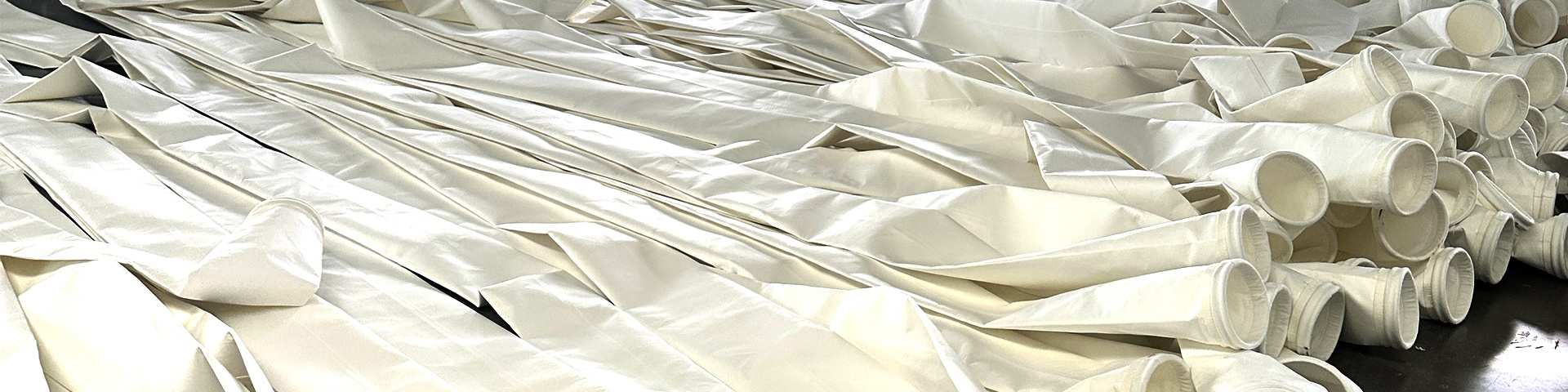
Dust filter bags are vital components in industrial dust collection systems, designed to capture and contain airborne particles, ensuring cleaner air and a safer working environment. These bags act as a barrier, preventing dust and other pollutants from re-entering the atmosphere, which is essential for compliance with health and safety regulations.
When it comes to selecting dust filter bags, understanding the materials and types available is crucial. The most common materials include polyester, polypropylene, and fiberglass, each offering distinct advantages depending on the application. For instance, polyester bags are known for their versatility and durability, making them suitable for a wide range of industries. Fiberglass bags, while more expensive, are highly effective for high-temperature applications and can handle more abrasive particles without degrading quickly.
The efficiency of a dust filter bag is measured in terms of its filtration efficiency and air permeability. Filtration efficiency refers to the bag's ability to capture different particle sizes; higher efficiency ratings mean better dust control. Conversely, air permeability indicates how easily air can pass through the bag while still capturing particles. Striking a balance between these two factors is key to achieving optimal performance.
Proper maintenance of dust filter bags is essential for maximizing their lifespan and effectiveness. Regular cleaning schedules should be established to minimize the buildup of dust and prevent clogging. Some systems utilize pulse jet cleaning mechanisms that periodically blow compressed air through the bags, dislodging trapped particles. Additionally, monitoring pressure drops across the filter bags can help identify when they need to be replaced, ensuring the dust collection system operates at peak efficiency.
Another consideration is the installation and positioning of dust filter bags within the air filtration system. Proper alignment and sealing are critical to preventing leakage, which can lead to reduced performance and compromised air quality. Working with qualified technicians to ensure correct installation can significantly enhance the longevity and effectiveness of the filter bags.
In conclusion, dust filter bags are indispensable in the realm of industrial air purification. By understanding their types, functions, and maintenance requirements, professionals can make informed decisions that enhance the performance of their dust collection systems. Investing in high-quality dust filter bags not only improves air quality but also contributes to the overall efficiency and safety of industrial operations.
When it comes to selecting dust filter bags, understanding the materials and types available is crucial. The most common materials include polyester, polypropylene, and fiberglass, each offering distinct advantages depending on the application. For instance, polyester bags are known for their versatility and durability, making them suitable for a wide range of industries. Fiberglass bags, while more expensive, are highly effective for high-temperature applications and can handle more abrasive particles without degrading quickly.
The efficiency of a dust filter bag is measured in terms of its filtration efficiency and air permeability. Filtration efficiency refers to the bag's ability to capture different particle sizes; higher efficiency ratings mean better dust control. Conversely, air permeability indicates how easily air can pass through the bag while still capturing particles. Striking a balance between these two factors is key to achieving optimal performance.
Proper maintenance of dust filter bags is essential for maximizing their lifespan and effectiveness. Regular cleaning schedules should be established to minimize the buildup of dust and prevent clogging. Some systems utilize pulse jet cleaning mechanisms that periodically blow compressed air through the bags, dislodging trapped particles. Additionally, monitoring pressure drops across the filter bags can help identify when they need to be replaced, ensuring the dust collection system operates at peak efficiency.
Another consideration is the installation and positioning of dust filter bags within the air filtration system. Proper alignment and sealing are critical to preventing leakage, which can lead to reduced performance and compromised air quality. Working with qualified technicians to ensure correct installation can significantly enhance the longevity and effectiveness of the filter bags.
In conclusion, dust filter bags are indispensable in the realm of industrial air purification. By understanding their types, functions, and maintenance requirements, professionals can make informed decisions that enhance the performance of their dust collection systems. Investing in high-quality dust filter bags not only improves air quality but also contributes to the overall efficiency and safety of industrial operations.
Keywords:
More information



Jin Di
Tel:
Sales E-mail: