


How Dust Bags Contribute to Workplace Safety and Health Standards
Release Time:
May 09,2026
How Dust Bags Contribute to Workplace Safety and Health Standards Introduction to Dust Bags and Workplace Safety In industrial settings, maintaining a safe and healthy work environment is paramount. One of the critical components of achieving this is the effective management of airborne particles and contaminants. **Dust bags** play a vital role in capturing these pollutants, thereby supporting

How Dust Bags Contribute to Workplace Safety and Health Standards
Introduction to Dust Bags and Workplace Safety
In industrial settings, maintaining a safe and healthy work environment is paramount. One of the critical components of achieving this is the effective management of airborne particles and contaminants. **Dust bags** play a vital role in capturing these pollutants, thereby supporting workplace safety and health standards. This article delves into the significance of dust bags in various industries, detailing their benefits, functionality, and compliance with health regulations.
The Importance of Air Quality in the Workplace
Poor air quality can lead to numerous health issues, including respiratory problems, allergies, and chronic illnesses. A clean environment is not just beneficial for employees but is also a legal requirement in many jurisdictions. Dust bags help to filter harmful particles from the air, ensuring that workplaces remain safe.
Understanding Dust Bags and Their Functionality
Dust bags are filtration devices primarily used in industrial vacuum systems and air filtration units. They are designed to trap dust, debris, and other contaminants, preventing them from circulating in the air.
Types of Dust Bags
There are various types of dust bags tailored for different applications, including:
- **Paper Dust Bags:** Cost-effective and suitable for light to moderate dust loads.
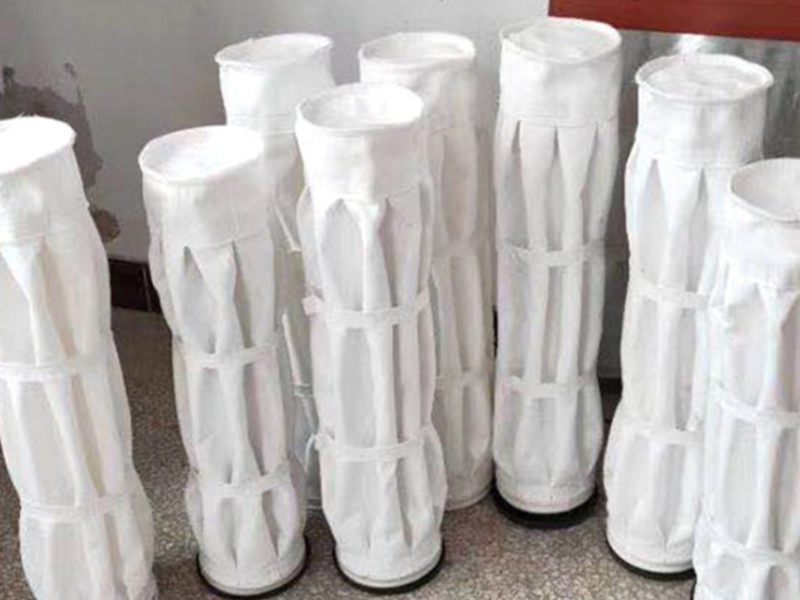
- **Cloth Dust Bags:** Reusable and often used in heavy-duty applications due to their durability.
- **HEPA Dust Bags:** High-efficiency particulate air bags that capture microscopic particles, ideal for sensitive environments.
The Role of Dust Bags in Enhancing Workplace Safety
Implementing dust bags in industrial settings contributes significantly to enhancing workplace safety. Here are some of the primary ways dust bags help achieve this goal:
Reducing Dust-Related Hazards
Dust can be a serious hazard, especially in environments where employees are exposed to fine particles. Dust bags efficiently capture these particles, substantially reducing the risk of inhalation and related health issues.
Minimizing Fire Risks
Certain types of dust, such as wood dust or metal shavings, are highly combustible and can pose fire hazards. Dust bags effectively contain these materials, mitigating the risk of fires and explosions.
Improving Visibility and Reducing Slip Hazards
Excess dust accumulation can obscure visibility and create unsafe slip conditions. By using dust bags in cleaning and maintenance processes, organizations can maintain a cleaner, safer work environment.
Compliance with Health and Safety Regulations
Organizations must comply with various health and safety regulations, such as the Occupational Safety and Health Administration (OSHA) standards in the United States. Effective dust management using dust bags helps companies adhere to these regulations, avoiding fines and ensuring employee safety.
Understanding Regulation Standards
Regulations often specify permissible exposure limits (PELs) for airborne contaminants. Using high-quality dust bags can help organizations keep airborne particulate levels below these limits, ensuring compliance.
Importance of Regular Maintenance
In addition to selecting the right dust bags, organizations must establish a routine maintenance schedule. Regular inspection and replacement of dust bags are critical to maintaining their effectiveness and ensuring compliance with safety standards.
Benefits of Using Dust Bags Beyond Compliance
While compliance with health standards is crucial, the benefits of dust bags extend beyond mere regulation. Here are several advantages organizations can experience:
Enhanced Employee Productivity
A clean and safe work environment significantly boosts employee morale and productivity. When employees feel safe and comfortable, they can focus more on their tasks, leading to higher efficiency.
Cost Savings through Preventive Measures
Investing in quality dust bags can lead to significant cost savings in the long run. By preventing equipment damage and reducing health-related absenteeism, organizations can lower operating costs.
Environmental Responsibility
Using dust bags is part of a broader commitment to environmental responsibility. Proper dust management reduces the release of pollutants into the atmosphere, contributing to a cleaner environment.
Selecting the Right Dust Bags for Your Industry
Choosing the appropriate dust bags for your specific industry and application is crucial for maximizing their efficiency. Here are some considerations:
Industry-Specific Needs
Different industries have unique dust challenges. For instance, woodworking shops require dust bags that can handle fine wood particles, while metal fabrication facilities may need heavy-duty options to capture metal shavings.
Evaluating Dust Bag Materials
Consider the material of the dust bags based on the type of dust generated. Some materials offer better filtration capabilities than others, so it’s vital to choose bags that provide optimal protection for your specific needs.
Best Practices for Dust Bag Maintenance
To ensure that dust bags function effectively, adhering to best practices for maintenance is essential. Here are some key practices:
Regular Inspection and Replacement
Frequent inspections can help identify any wear and tear on dust bags. Depending on usage, they should be replaced at regular intervals to maintain optimal performance.
Proper Installation
Ensuring that dust bags are correctly installed is crucial. Improper installation can lead to air leaks, diminishing their effectiveness.
Cleaning and Upkeep of Dust Collection Systems
In addition to dust bags, the dust collection system itself requires regular cleaning and maintenance. This ensures that the entire system operates efficiently and effectively.
FAQs About Dust Bags and Workplace Safety
1. What are dust bags made of?
Dust bags can be made from various materials, including paper, cloth, and high-efficiency filters like HEPA. The choice depends on the specific application and type of dust being captured.
2. How often should dust bags be replaced?
The frequency of replacement depends on usage and the amount of dust generated. Regular inspection is recommended to determine when a replacement is necessary.
3. Can dust bags help with compliance to health standards?
Yes, effective dust management using quality dust bags helps organizations comply with health and safety regulations by controlling airborne contaminants.
4. What are the signs that a dust bag needs replacement?
Signs include visible dust escaping from the bag, reduced suction power in the vacuum system, and physical damage to the bag itself.
5. Are there specific dust bags for different industries?
Yes, different industries have specific needs, and dust bags are designed to cater to those requirements, ensuring maximum efficiency and safety.
Conclusion
Dust bags are an essential component in promoting workplace safety and health standards across various industries. They help manage dust and airborne contaminants, comply with health regulations, and contribute to a safer, more productive work environment. By investing in the right dust bags and adhering to best practices for maintenance, organizations can enhance their operational efficiency, protect their employees, and ensure compliance with health and safety standards. Prioritizing proper dust management is not only a best practice but a crucial step toward fostering a culture of safety and health in the workplace.
Keywords:
More information



Jin Di
Tel:
Sales E-mail: