

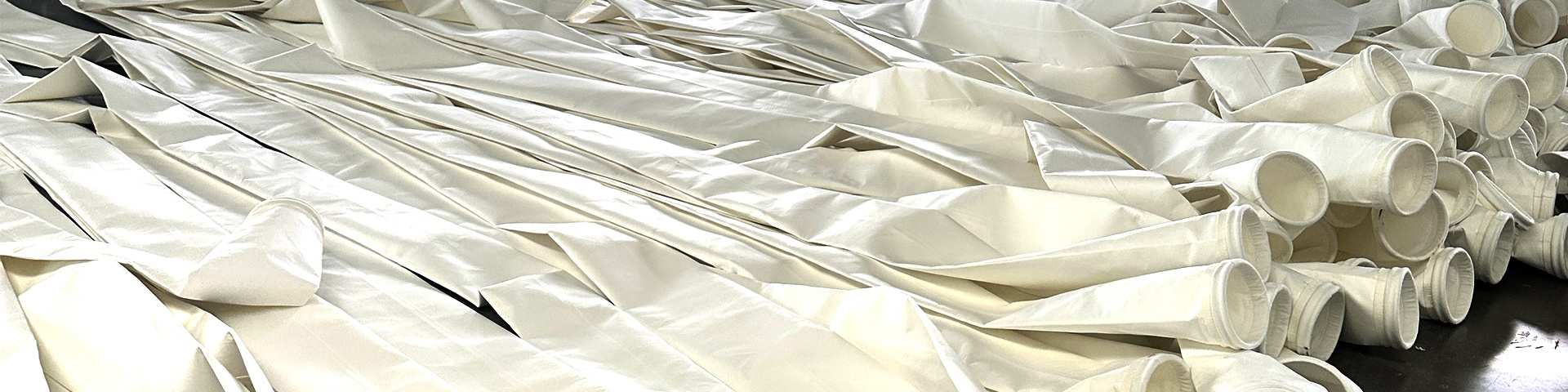
Exploring High-Temperature Resistant Filter Bags: Essential Insights for Industrial Applications
Release Time:
Apr 18,2026
High-temperature resistant filter bags play a pivotal role in various industrial applications, particularly in environments where elevated temperatures are a norm. These bags are designed to withstand extreme conditions, ensuring effective filtration while maintaining structural integrity. Understanding the essential features and considerations of these filter bags can significantly enhance operat

High-temperature resistant filter bags play a pivotal role in various industrial applications, particularly in environments where elevated temperatures are a norm. These bags are designed to withstand extreme conditions, ensuring effective filtration while maintaining structural integrity. Understanding the essential features and considerations of these filter bags can significantly enhance operational efficiency and reduce downtime.
The primary materials used in manufacturing high-temperature resistant filter bags include aramid fibers, PTFE (polytetrafluoroethylene), and fiberglass. Each of these materials offers distinct advantages. Aramid fibers, known for their exceptional strength and durability, provide a reliable solution for moderate to high-temperature applications. PTFE, with its outstanding chemical resistance and temperature tolerance, is ideal for processes involving corrosive substances. Fiberglass, on the other hand, offers excellent compatibility with high-temperature operations but may lack the flexibility of aramid fibers.
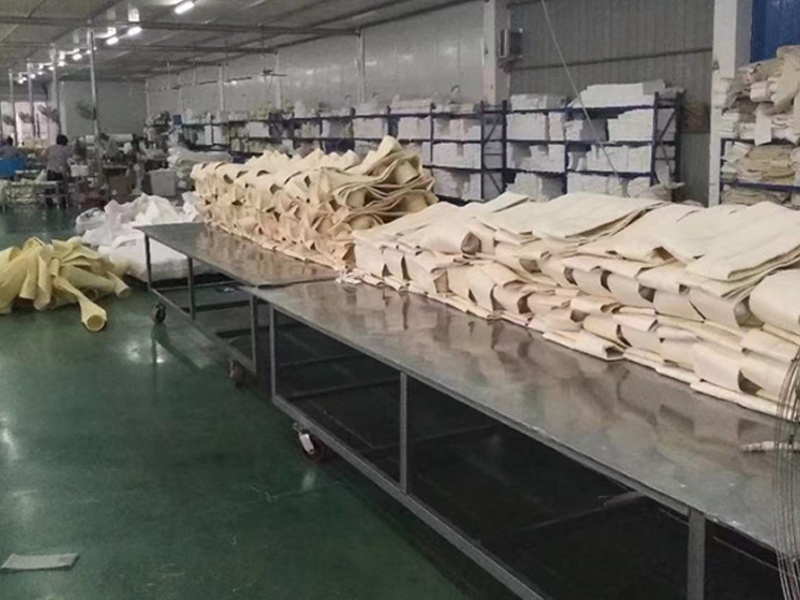
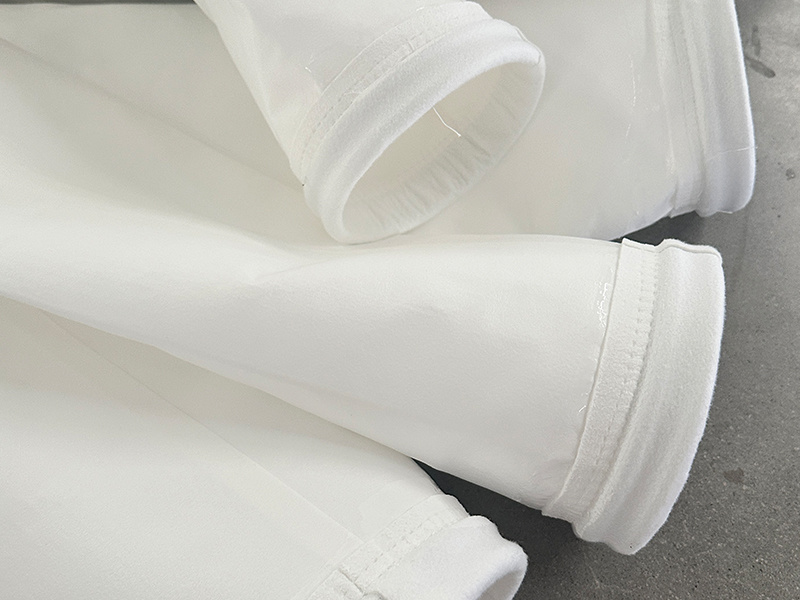
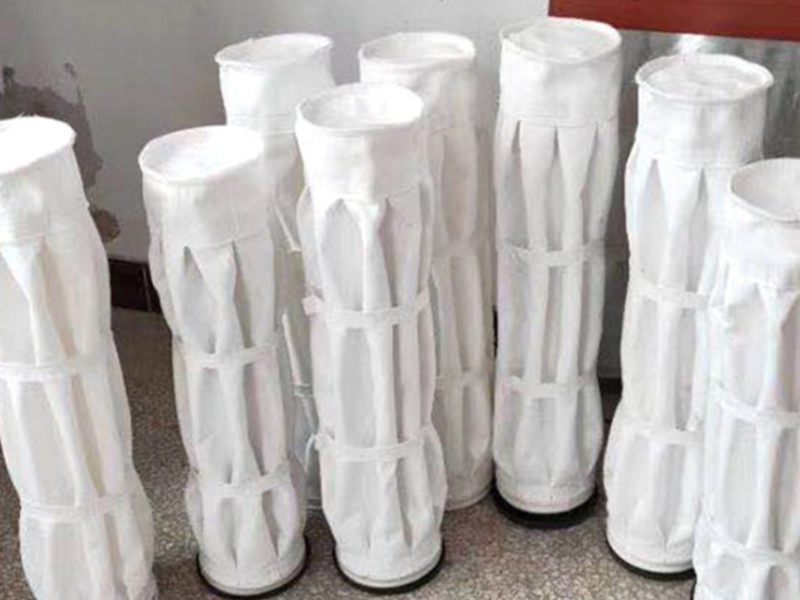
When selecting high-temperature resistant filter bags, it is crucial to consider the specific requirements of your application. Factors such as maximum operating temperature, airflow resistance, and chemical exposure must be assessed. Proper sizing and fit are also vital to prevent leakage and ensure optimal performance. The design of the filter bag, including features like seams and closures, can significantly impact its efficacy in filtering particulates.
Moreover, regular maintenance and monitoring of high-temperature resistant filter bags are essential for sustaining their performance. Over time, exposure to extreme conditions can lead to wear and tear, affecting filtration quality. Implementing a routine inspection schedule allows for early detection of potential issues, enabling timely replacements and minimizing operational disruptions.
In addition to their robust performance, high-temperature resistant filter bags contribute to environmental compliance by capturing harmful particles and emissions. This aspect is increasingly critical as industries face stricter regulations regarding air quality and waste management. Utilizing these specialized filter bags not only enhances operational efficiency but also demonstrates a commitment to sustainable practices.
In conclusion, high-temperature resistant filter bags are indispensable components in industrial filtration systems, particularly in high-temperature settings. By understanding their materials, applications, and maintenance needs, professionals can make informed decisions that lead to improved filtration efficiency and reduced operational costs. As the demand for reliable and durable filtration solutions continues to grow, investing in high-quality filter bags becomes a strategic choice for maintaining competitive advantage in the industry.
The primary materials used in manufacturing high-temperature resistant filter bags include aramid fibers, PTFE (polytetrafluoroethylene), and fiberglass. Each of these materials offers distinct advantages. Aramid fibers, known for their exceptional strength and durability, provide a reliable solution for moderate to high-temperature applications. PTFE, with its outstanding chemical resistance and temperature tolerance, is ideal for processes involving corrosive substances. Fiberglass, on the other hand, offers excellent compatibility with high-temperature operations but may lack the flexibility of aramid fibers.
When selecting high-temperature resistant filter bags, it is crucial to consider the specific requirements of your application. Factors such as maximum operating temperature, airflow resistance, and chemical exposure must be assessed. Proper sizing and fit are also vital to prevent leakage and ensure optimal performance. The design of the filter bag, including features like seams and closures, can significantly impact its efficacy in filtering particulates.
Moreover, regular maintenance and monitoring of high-temperature resistant filter bags are essential for sustaining their performance. Over time, exposure to extreme conditions can lead to wear and tear, affecting filtration quality. Implementing a routine inspection schedule allows for early detection of potential issues, enabling timely replacements and minimizing operational disruptions.
In addition to their robust performance, high-temperature resistant filter bags contribute to environmental compliance by capturing harmful particles and emissions. This aspect is increasingly critical as industries face stricter regulations regarding air quality and waste management. Utilizing these specialized filter bags not only enhances operational efficiency but also demonstrates a commitment to sustainable practices.
In conclusion, high-temperature resistant filter bags are indispensable components in industrial filtration systems, particularly in high-temperature settings. By understanding their materials, applications, and maintenance needs, professionals can make informed decisions that lead to improved filtration efficiency and reduced operational costs. As the demand for reliable and durable filtration solutions continues to grow, investing in high-quality filter bags becomes a strategic choice for maintaining competitive advantage in the industry.
Keywords:
More information


Jin Di
Tel:
Sales E-mail: