

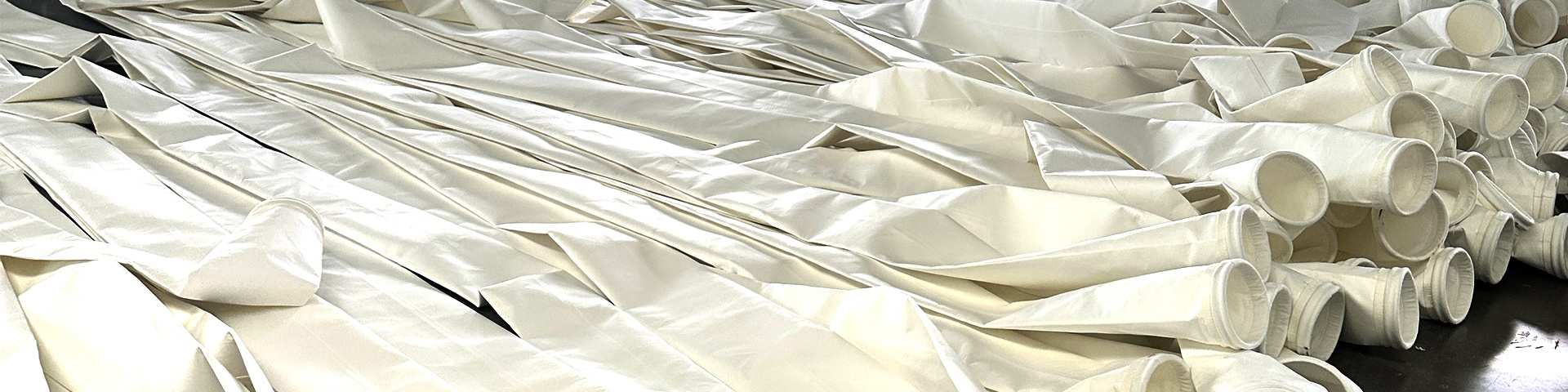
Maximizing Efficiency with the Right High-Temperature Dust Filter Bag
Release Time:
Apr 11,2026
Maximizing Efficiency with the Right High-Temperature Dust Filter Bag Table of Contents 1. Introduction to High-Temperature Dust Filter Bags 2. Understanding High-Temperature Applications 3. The Importance of Dust Filter Bags in Industrial Settings 4. Types of High-Temperature Dust Filter Bags 4.1 Material Selection for Filter Bags 4.2 Filter Bag Designs and Configurations 5. M

Maximizing Efficiency with the Right High-Temperature Dust Filter Bag
Table of Contents
- 1. Introduction to High-Temperature Dust Filter Bags
- 2. Understanding High-Temperature Applications
- 3. The Importance of Dust Filter Bags in Industrial Settings
- 4. Types of High-Temperature Dust Filter Bags
- 4.1 Material Selection for Filter Bags
- 4.2 Filter Bag Designs and Configurations
- 5. Maintenance and Care of High-Temperature Dust Filter Bags
- 6. Impact on Efficiency and Productivity
- 7. Case Studies and Examples
- 8. Frequently Asked Questions (FAQs)
- 9. Conclusion
1. Introduction to High-Temperature Dust Filter Bags
In the industrial sector, **high-temperature dust filter bags** play a crucial role in maintaining air quality and operational efficiency. These bags are designed to withstand extreme temperatures and harsh environments, ensuring that dust and particulate matter are effectively captured. Selecting the right dust filter bag can dramatically enhance **filtration efficiency**, protect equipment, and reduce downtime.
2. Understanding High-Temperature Applications
High-temperature dust filter bags are widely used in various industries such as **steel production**, **cement manufacturing**, and **power generation**. In these applications, processes often generate excessive heat, making it necessary to use specialized materials that can endure these conditions. Understanding the specific needs of your application is vital for choosing the most suitable filter bag.
3. The Importance of Dust Filter Bags in Industrial Settings
Dust filter bags serve multiple purposes in industrial settings:
- **Pollution Control**: They help in controlling emissions, ensuring compliance with environmental regulations.
- **Equipment Protection**: By capturing dust and particulates, they safeguard machinery and prolong equipment life.
- **Air Quality Improvement**: High-quality filtration leads to better indoor air quality, benefiting workers' health and productivity.
The right filter bag not only enhances productivity but also contributes to a safer working environment.
4. Types of High-Temperature Dust Filter Bags
Choosing the appropriate type of high-temperature dust filter bag is essential for maximizing efficiency. Below, we outline the different types and configurations available.
4.1 Material Selection for Filter Bags
The material of a dust filter bag significantly influences its performance. Common materials include:
- **Polyester**: Effective for temperatures up to 260°C, polyester filter bags are versatile and widely used.
- **Fiberglass**: Suitable for higher temperatures, these bags can withstand up to 500°C. They are ideal for demanding applications.
- **Aramid**: Known for their durability, aramid bags are often used in industries that require long-lasting performance. They can endure temperatures up to 260°C.
Selecting the right material based on temperature tolerance and application is crucial for optimal efficiency.
4.2 Filter Bag Designs and Configurations
Filter bag design can affect airflow and filtration efficiency. Common designs include:
- **Snap Band**: Easy to install and remove, making maintenance simpler.
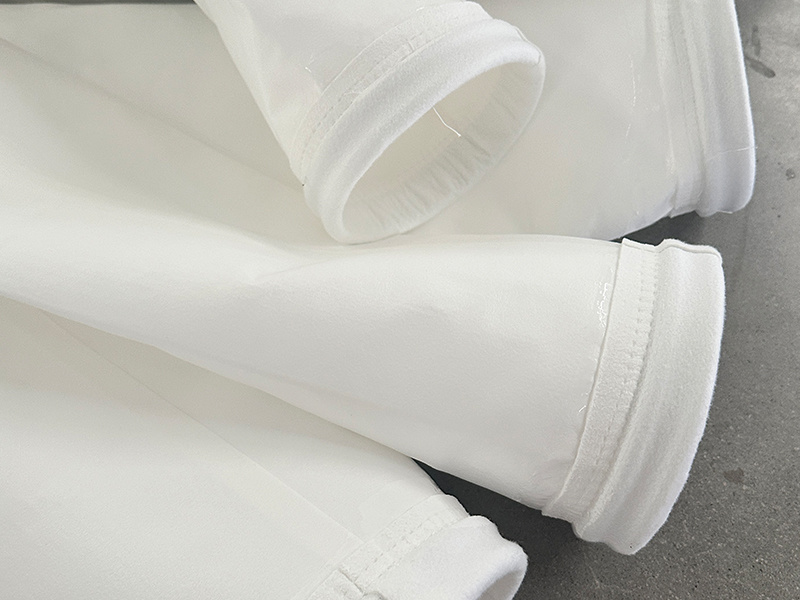
- **Sewn-in Collar**: Provides a secure fit, ensuring no dust escapes.
- **Open Top**: Facilitates easy installation in various systems.
Carefully considering the design and configuration can lead to significant enhancements in both filtration efficiency and maintenance ease.
5. Maintenance and Care of High-Temperature Dust Filter Bags
Regular maintenance is essential to ensure that high-temperature dust filter bags perform optimally. Here are some tips to keep in mind:
- **Routine Inspections**: Regularly inspect filter bags for wear and tear to prevent unexpected failures.
- **Cleaning Procedures**: Implement effective cleaning procedures to maintain bag integrity and performance.
- **Replacement Schedule**: Establish a replacement schedule based on usage and environmental conditions to ensure continuous operation.
Good maintenance practices can lead to extended filter bag life and improved system efficiency.
6. Impact on Efficiency and Productivity
The right high-temperature dust filter bag directly impacts operational efficiency. Key benefits include:
- **Reduced Downtime**: Reliable filter bags minimize unexpected breakdowns, leading to uninterrupted operations.
- **Enhanced Airflow**: Properly functioning filter bags enhance airflow, reducing energy consumption and improving overall system efficiency.
- **Cost Savings**: Investing in high-quality filter bags can lead to significant cost savings through reduced energy bills and lower maintenance costs.
Maximizing efficiency with the right dust filter bags ultimately translates to increased productivity and profitability.
7. Case Studies and Examples
Several industries have seen remarkable improvements after upgrading their high-temperature dust filter bags. For instance:
- A **cement manufacturing plant** improved air quality and reduced emissions by 30% after switching to fiberglass filter bags.
- A **steel mill** reported a 20% increase in operational efficiency by adopting aramid filter bags, leading to substantial cost savings.
These case studies illustrate the tangible benefits of investing in the right high-temperature dust filter bags.
8. Frequently Asked Questions (FAQs)
1. What is the typical lifespan of a high-temperature dust filter bag?
Most high-temperature dust filter bags can last between 1 to 3 years, depending on usage and environmental conditions.
2. How do I know when to replace my filter bags?
Signs that filter bags need replacement include reduced airflow, increased pressure drop, or visible wear and tear.
3. Can I use the same filter bag for different applications?
It's crucial to select filter bags based on specific applications. Using the wrong filter bag can compromise efficiency and safety.
4. What maintenance practices should I follow for my filter bags?
Regular inspections, cleaning, and adherence to the manufacturer’s replacement schedule will help maintain filter bag performance.
5. Are high-temperature dust filter bags expensive?
While high-quality filter bags may have a higher upfront cost, they often lead to lower operating costs due to increased efficiency and prolonged lifespan.
9. Conclusion
In conclusion, **maximizing efficiency with the right high-temperature dust filter bag** is essential for industrial operations. By understanding the types of bags available, their materials, and maintenance practices, businesses can significantly enhance their productivity and operational efficiency. Investing in the right filter bag not only protects equipment and improves air quality but also leads to long-term cost savings. Taking the time to select and maintain the appropriate high-temperature dust filter bag will yield substantial benefits for your organization.
Keywords:
More information


Jin Di
Tel:
Sales E-mail: