

Debunking Myths: The Truth About Dust Filter Bags and Air Quality
Release Time:
Mar 28,2026
Understanding Dust Filter Bags and Their Importance in Air Quality In today’s industrial landscape, maintaining optimal air quality is paramount. Dust filter bags serve as a critical component in many air purification systems. However, misconceptions surrounding their effectiveness and functionality often lead to confusion. This article aims to **debunk myths** and clarify the **truth about dust f

Understanding Dust Filter Bags and Their Importance in Air Quality
In today’s industrial landscape, maintaining optimal air quality is paramount. Dust filter bags serve as a critical component in many air purification systems. However, misconceptions surrounding their effectiveness and functionality often lead to confusion. This article aims to **debunk myths** and clarify the **truth about dust filter bags** and their profound impact on air quality.
The Role of Dust Filter Bags in Air Purification
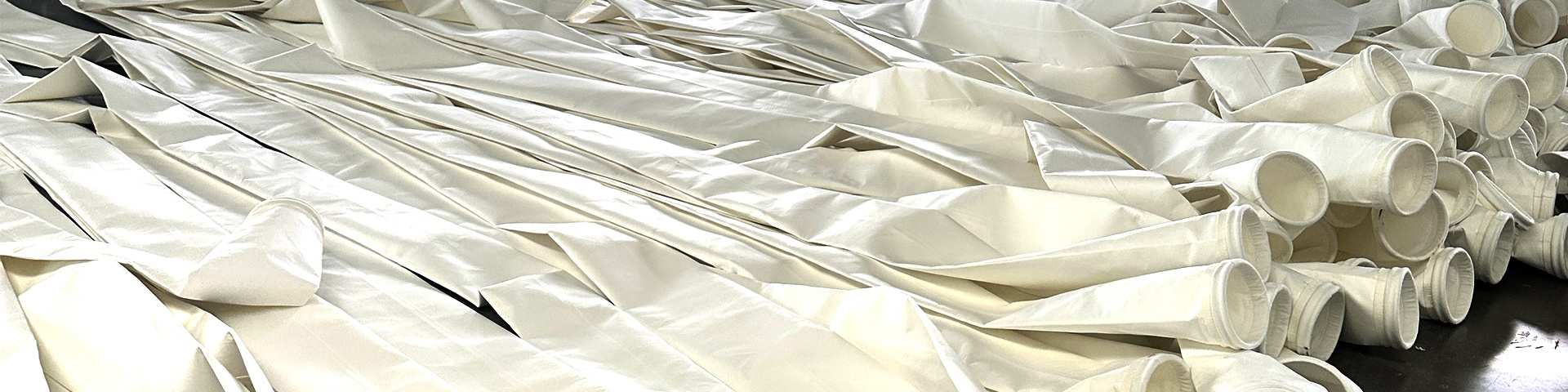
Dust filter bags are designed to capture airborne particles, ensuring that the air released back into the environment is cleaner and safer. These bags are commonly used in various applications, including industrial settings, manufacturing plants, and even in household appliances like vacuum cleaners. They act as a barrier, trapping dust, pollen, and other harmful particles.
How Dust Filter Bags Work
Dust filter bags operate based on several key principles of filtration. When air passes through a filter bag, particles larger than the pore size get trapped:
1. **Mechanical Filtration**: Larger particles are physically blocked by the filter material.
2. **Electrostatic Attraction**: Some filters utilize electrostatic charge to attract and retain smaller particles.
3. **Depth Filtration**: The multi-layer design of some bags allows for deeper penetration, capturing smaller particles that might escape through superficial layers.
By employing these mechanisms, dust filter bags ensure that contaminants are kept at bay, leading to improved air quality.
Types of Dust Filter Bags
To cater to a range of applications, dust filter bags come in various types and materials, including:
- **Polyester Filter Bags**: Known for their durability and resistance to high temperatures.
- **Nomex Filter Bags**: Ideal for high-temperature applications, often used in industries like steel production.
- **PP (Polypropylene) Filter Bags**: Excellent for capturing fine dust and lightweight particles.
- **Activated Carbon Filter Bags**: Designed to reduce odors and volatile organic compounds (VOCs) in the air.
Choosing the right type of filter bag is essential for maximizing air quality and system efficiency.
Common Myths about Dust Filter Bags
Despite their importance, several myths about dust filter bags persist. Let’s address these misconceptions:
Myth 1: All Dust Filter Bags Are the Same
**Fact**: Not all dust filter bags are created equal. Different applications require specific materials and designs to effectively trap specific types of particles. It is crucial to select a filter bag that matches your system's requirements.
Myth 2: Dust Filter Bags Need to Be Changed Only When They Are Full
**Fact**: Waiting until a filter bag is completely full can lead to reduced airflow, increased energy consumption, and compromised air quality. Regular maintenance and timely replacement of filter bags are essential for optimal performance.
Myth 3: Dust Filter Bags Do Not Affect Indoor Air Quality
**Fact**: The quality of dust filter bags directly influences the air quality in any environment. Inefficient or faulty bags can release captured particles back into the air, negating the benefits of filtration.
Myth 4: Expensive Filter Bags Are Always the Best Choice
**Fact**: While premium filters often come with enhanced performance features, it does not mean that they are the best fit for every system. Evaluating the specific needs of your application should dictate your choice of filter bag.
Myth 5: Dust Filter Bags Are Only Necessary in Industrial Settings
**Fact**: Dust filter bags are beneficial in various environments, including homes, schools, and office buildings. They can mitigate allergens and pollutants, improving indoor air quality for everyone.
The Impact of Dust Filter Bags on Air Quality
The effectiveness of dust filter bags in improving air quality cannot be overstated. Here’s how they contribute to a healthier environment:
Reduction of Allergens and Pollutants
Dust filter bags play a vital role in capturing allergens like pollen, dust mites, and pet dander, which can trigger respiratory issues in sensitive individuals. By filtering these particles, they contribute to a significant reduction in airborne irritants.
Improvement in Respiratory Health
Cleaner air leads to better respiratory health. Studies have shown that effective dust filtration can reduce the incidence of asthma and other respiratory conditions, particularly in children and the elderly.
Enhanced Comfort in Work Environments
In industrial settings, maintaining air quality is crucial for worker productivity and comfort. Effective filtration systems create a safer work environment, minimizing the risk of respiratory issues and ensuring compliance with health regulations.
How to Choose the Right Dust Filter Bag
Selecting the appropriate dust filter bag is essential for achieving the best results. Here are some considerations:
Identify Your Application Needs
Understanding your specific application is the first step. Consider the type of dust you will be filtering, the volume of air that needs to be cleaned, and the environment’s temperature conditions.
Evaluate Filter Efficiency Ratings
Look for filter bags with high efficiency ratings, such as MERV (Minimum Efficiency Reporting Value) ratings. A higher MERV rating indicates better filtration capabilities.
Consider Material Compatibility
Ensure that the material of the filter bag is compatible with the substances being filtered. Different materials offer various levels of resistance to heat, moisture, and chemicals.
Assess Cost-Effectiveness
While higher-priced filter bags may offer better performance, it’s crucial to consider the balance between cost and efficiency. Sometimes, a moderately priced option may provide adequate performance for your specific needs.
Maintaining Dust Filter Bags for Optimal Performance
Proper maintenance of dust filter bags is key to ensuring they function effectively over time:
Regular Inspections
Conducting regular inspections allows you to identify any wear or damage early on. Look for signs of tears, clogs, or excessive dust accumulation.
Scheduled Replacements
Establish a replacement schedule based on your application’s demands. Frequent changes, even if the bags don’t appear full, can help maintain optimal airflow and filtration efficiency.
Cleaning Techniques
In some applications, filter bags can be cleaned and reused. Techniques such as reverse air cleaning or shaking off dust can extend their life, but it’s essential to follow manufacturer guidelines to avoid damaging the bags.
Conclusion
Understanding the truth about dust filter bags is crucial for anyone concerned with air quality, whether in industrial settings or at home. By debunking common myths and recognizing the importance of these filtration systems, we empower individuals and organizations to make informed decisions. Selecting the right dust filter bags and ensuring their proper maintenance will not only enhance air quality but also promote a healthier environment for all. Investing in effective dust filtration is a step toward better air quality, improved health, and greater comfort in any space.
FAQs
1. How often should dust filter bags be replaced?
Dust filter bags should be replaced based on the manufacturer's recommendations and the specific application’s dust load. Regular inspections can help determine the right replacement schedule.
2. Can dust filter bags improve indoor air quality?
Yes, dust filter bags significantly improve indoor air quality by capturing allergens, pollutants, and other harmful particles before they are released back into the environment.
3. Are there specific filter bags for different types of dust?
Absolutely! Different applications require specific filter bags made from various materials to effectively capture different types of dust and particles.
4. What is the importance of MERV ratings in filter bags?
MERV ratings indicate the efficiency of filter bags. Higher ratings mean better filtration capabilities, making it essential to choose bags with the right MERV rating for your needs.
5. Can I clean and reuse dust filter bags?
In some cases, dust filter bags can be cleaned and reused. However, it's vital to follow the manufacturer's guidelines to avoid damage and ensure effective filtration performance.
Keywords:
More information


Jin Di
Tel:
Sales E-mail: